
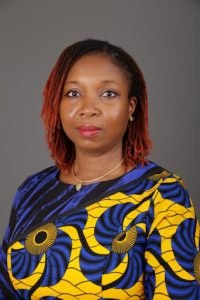
Yinka Babalola
Country Manager
International Budget Partnership (IBP) in Nigeria
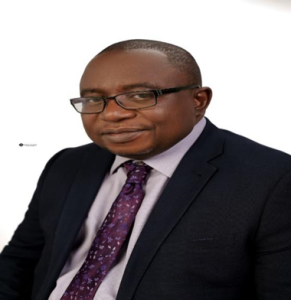
Dr. Gafar Alawode
Managing Partner
Development Governance International (DGI)
He was a Country Manager for Liverpool Associates in Tropical Health (LATH), State Team Lead for the DFID-funded Partnership for Transforming Health System 2 (PATHS2), Chief of Party for the USAID-funded Health Finance and Governance project, and Country Director for Health Policy Plus.
Gafar designed and worked with other stakeholders to introduce Universal Health Coverage (UHC)-related innovations, including the Legislative Network for UHC and UHC 2023 Forum, where he led a team of health policy advocates to develop a citizen-led health agenda and health security agenda geared towards shaping the health manifestos of political parties.
He was appointed a member of the core group for health financing resilience community of practice by the World Bank, and he led a team of other experts to prepare a policy position paper that advised 54 Commonwealth Ministers of Health on effective aid utilization and domestic resource mobilization for health. He was the Principal Investigator for Nigeria’s policy analysis of health taxes project, which was funded by the Alliance for Health Policy and System Research.
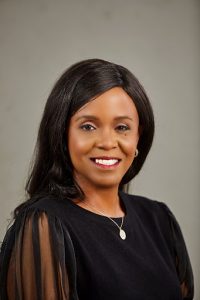
Vivianne Ihekweazu
Managing Director
Nigeria Health Watch,
With over 20 years of experience, her work focuses on nutrition, maternal and child health, routine immunization, sexual and reproductive health and rights, and health security. She played a leading role in COVID-19 crisis communications supporting the Nigeria Centre for Disease Control.
Vivianne holds an MSc in Global Health Policy from the London School of Hygiene and Tropical Medicine and is an African Public Health Leaders Fellow at Chatham House’s Centre for Universal Health.
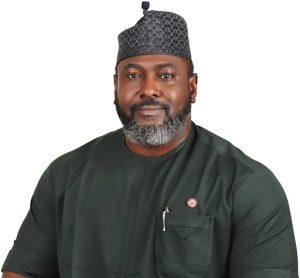
Dr. Oluwatayo David Aduloju
CEO
Nigerian Economic Summit Group (NESG)
His over two decades of experience and track record demonstrate his commitment to developing and advising leaders, organisations, and nations to stimulate performance, sustainability, governance, and impact across private, public, and non-profit sectors. He has worked across several economic, social, and political reform areas and sectors, across Nigeria, 14 other African countries and the Middle East, where he has advised business executives and heads of government (including former President Yar’adua and Obasanjo).

Dr. Adaeze Oreh
Honourable Commissioner for Health
Rivers State